

Greater Manchester 5G Smart Decarbonisation Network

Greater Manchester’s 5G Smart Decarbonisation Network is a pioneering regional programme demonstrating how next generation digital connectivity can accelerate the transition to a low carbon, digitally enabled city region. Backed by over £3 million from the Department for Science, Innovation and Technology’s 5G Innovation Regions programme, the initiative brings together partners across transport, housing, technology and public services to explore how 5G can support decarbonisation, improve quality of life and grow the Green Technologies and Services sector. The Programme is led by Transport for Greater Manchester (TfGM) and Greater Manchester Combined Authority (GMCA), with programme management from digital infrastructure experts Founds Group.
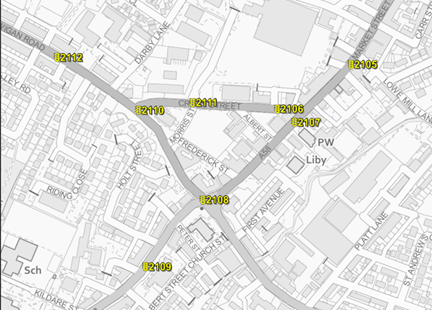
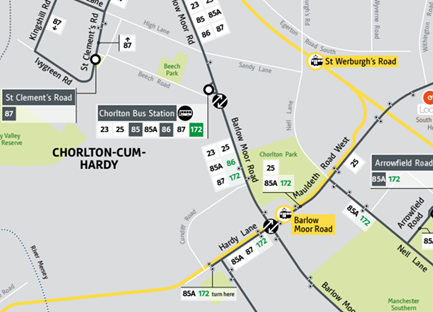
The most advanced element of the programme focused on transforming transport through a 5G enabled Digital Roads network. Working with Aimsun and Vivacity, TfGM established two ‘Smart Transport Corridors’ in Hindley and Chorlton, incorporating 12 digitised junctions and 35 connected assets equipped with AI powered computer vision sensors.
These assets simulate and analyse live traffic conditions, allowing TfGM to optimise traffic flow, prioritise public transport and respond more rapidly to incidents. Early results show increased signal timing efficiency, quicker detection of congestion and reductions in vehicle idling all contributing to lower carbon emissions. The system also enhances network safety by supporting near miss collision detection and provides high quality data to strengthen Greater Manchester’s developing mobility digital twin.
Key to demonstrating the applicability of this technology was the ability to scale use cases and any benefits, across the wider city region. Two Use Cases were explored : Bus Journey Time Reliability and Junction Accident reduction – through near miss detection. With over 2,500 signal controlled junctions across GM, the scalability opportunity was significant, including savings and efficiencies from both an operational and control basis – using the digital twin and real world data. Early cost modelling showed a 3 to 1 benefit, without factoring indirect benefits such as journey time and economic impact. With the cost of technology falling (in most cases) the price point gap for affordability starts converging making these technologies more affordable. Coupled with a digital twin to drive further efficiencies in operational control, this application has a significant role to play in network management and accident reduction.